What to Know About Dental Bridges
Regain Your Smile With Custom Briges
Best Family Dentistry in Cinnaminson, NJ
A healthy smile is about more than appearance. Teeth play a vital role in chewing food properly, speaking clearly, and supporting the natural shape of the face. When even one tooth is missing, the balance of the mouth can begin to change in ways that affect comfort, function, and long term oral health. At Harborview Dental, patients receive thoughtful guidance on restorative options designed to protect both their smiles and overall wellbeing. One of the most reliable and widely used solutions for missing teeth is a dental bridge.
This comprehensive guide explains what dental bridges are, how they work, why replacing missing teeth matters, and what patients can expect during treatment.
What Is a Dental Bridge
A dental bridge is a custom made restoration designed to replace one or more missing teeth. It fills the space left behind by tooth loss by anchoring an artificial tooth between natural teeth on either side of the gap. The artificial tooth is known as a pontic and it is supported by crowns placed over the neighboring teeth.
Once placed, a dental bridge restores the ability to chew comfortably, improves speech clarity, and helps the smile look complete again. Modern bridges are crafted from durable materials that closely resemble natural tooth enamel, allowing them to blend seamlessly with surrounding teeth.
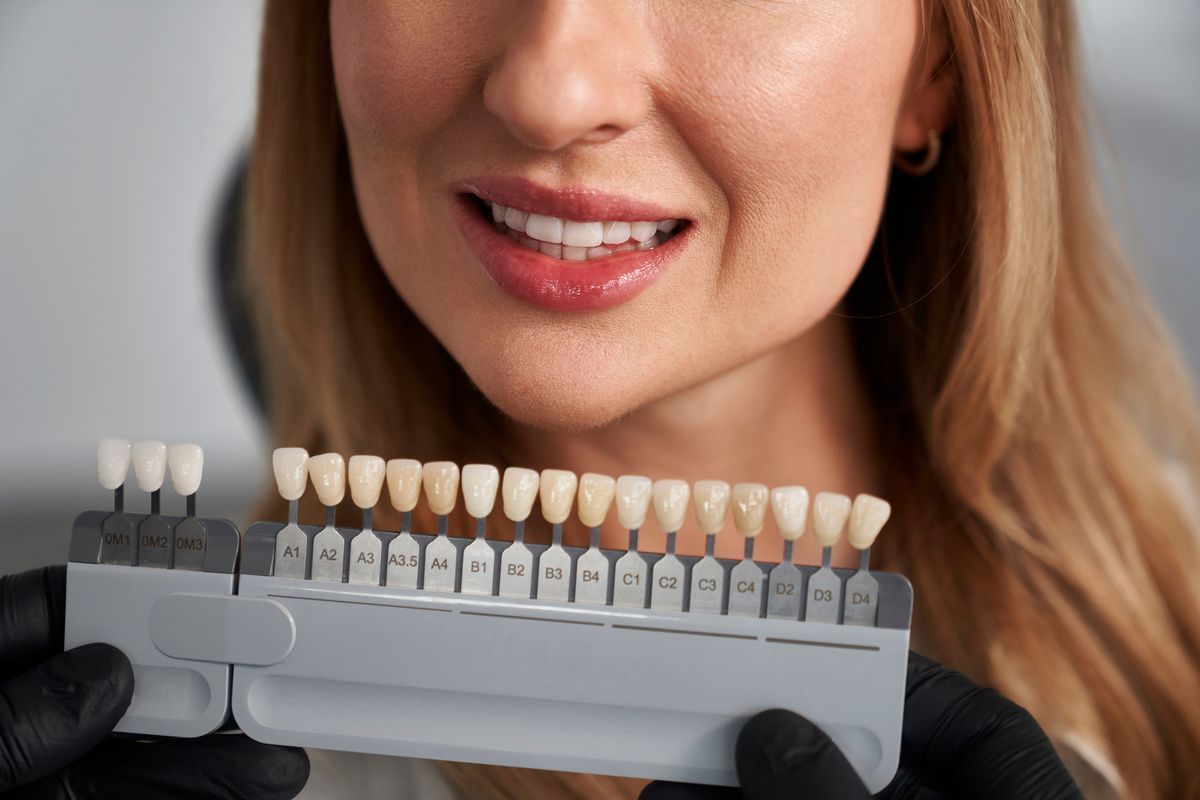
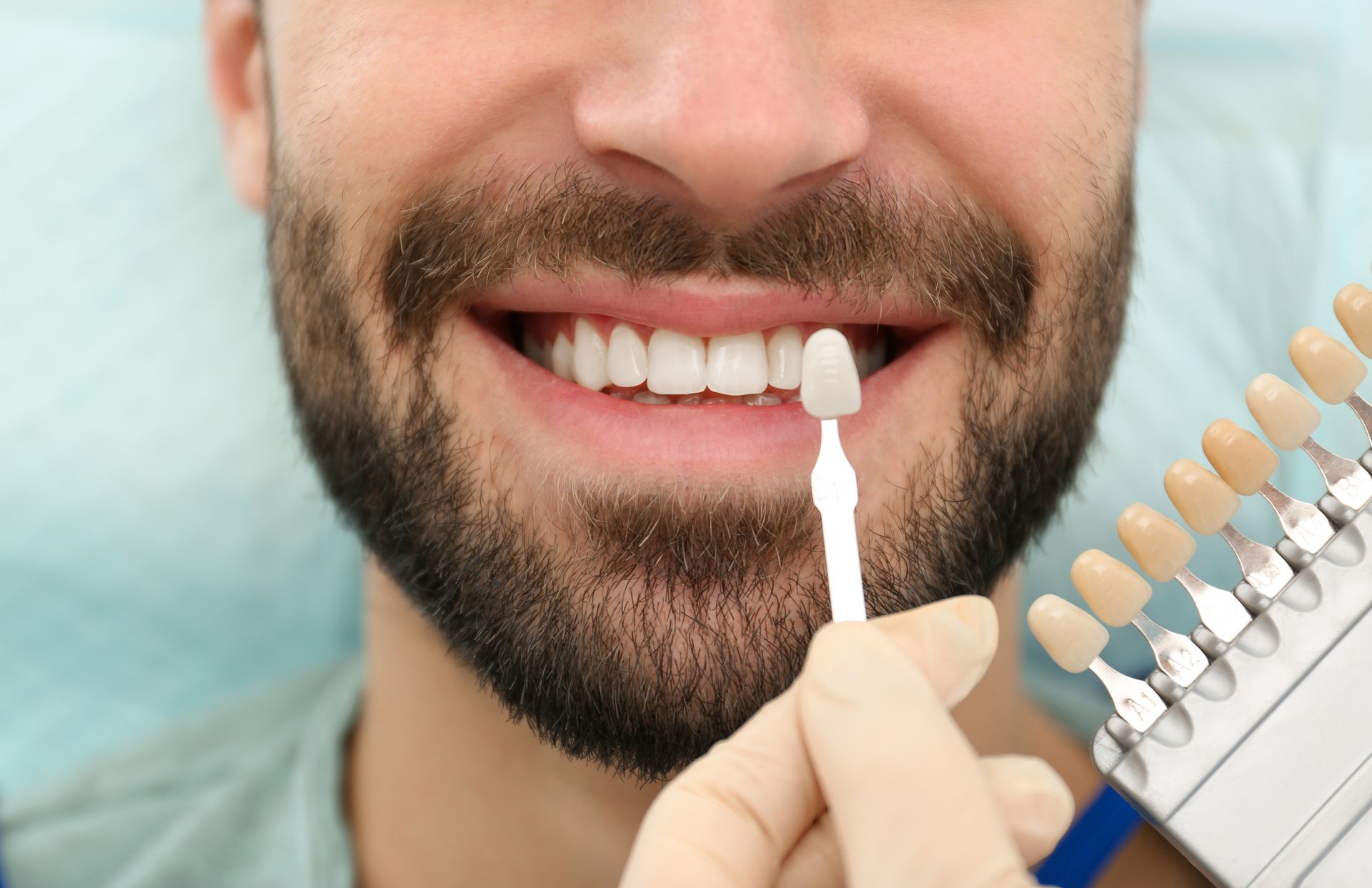
At Harborview Dental, dental bridges are carefully designed to match the shape, size, and color of each patient’s natural teeth for a comfortable and natural looking result.
Why Missing Teeth Should Be Replaced
Some people believe that a missing tooth is only a cosmetic concern, especially if it is not easily visible when smiling. In reality, leaving a gap untreated can lead to a variety of oral health problems over time.
When a tooth is missing, nearby teeth tend to shift toward the empty space. This movement can alter bite alignment and place uneven pressure on certain teeth. Over time, this imbalance may cause discomfort while chewing, jaw strain, headaches, and excessive wear on remaining teeth.
The jawbone is also affected by tooth loss. Tooth roots help stimulate the jawbone during chewing. When a tooth is lost, the bone beneath that area receives less stimulation and may begin to shrink. This bone loss can weaken the support for surrounding teeth and change facial structure over time.
Replacing missing teeth helps preserve stability, protect jaw health, and maintain a balanced bite.
Types of Dental Bridges
Dental bridges are available in several forms, and the best option depends on the location of the missing tooth and the condition of surrounding teeth and gums.
A traditional bridge is the most common type. It uses crowns placed on both sides of the gap to support the artificial tooth.
A cantilever bridge may be recommended when only one natural tooth is available to support the bridge. This option is used in select cases.
A Maryland style bridge uses a metal or ceramic framework bonded to the backs of the adjacent teeth rather than full crowns. This conservative option is best suited for areas with lower chewing pressure.
An implant supported bridge relies on dental implants instead of natural teeth for support. This option provides excellent stability and helps preserve jawbone density.
Your dentist will explain each option and help determine which approach best fits your oral health needs and long term goals.
The Dental Bridge Process
Receiving a dental bridge typically requires two or three appointments.
The first visit focuses on evaluation and treatment planning. Your dentist examines your teeth, gums, and bone structure using clinical assessment and digital imaging. This step ensures that the supporting teeth are healthy enough to support a bridge.
During the preparation visit, the supporting teeth are gently shaped to allow room for crowns. This process is performed with comfort as a priority. A temporary bridge is placed to protect the area while the permanent restoration is created.
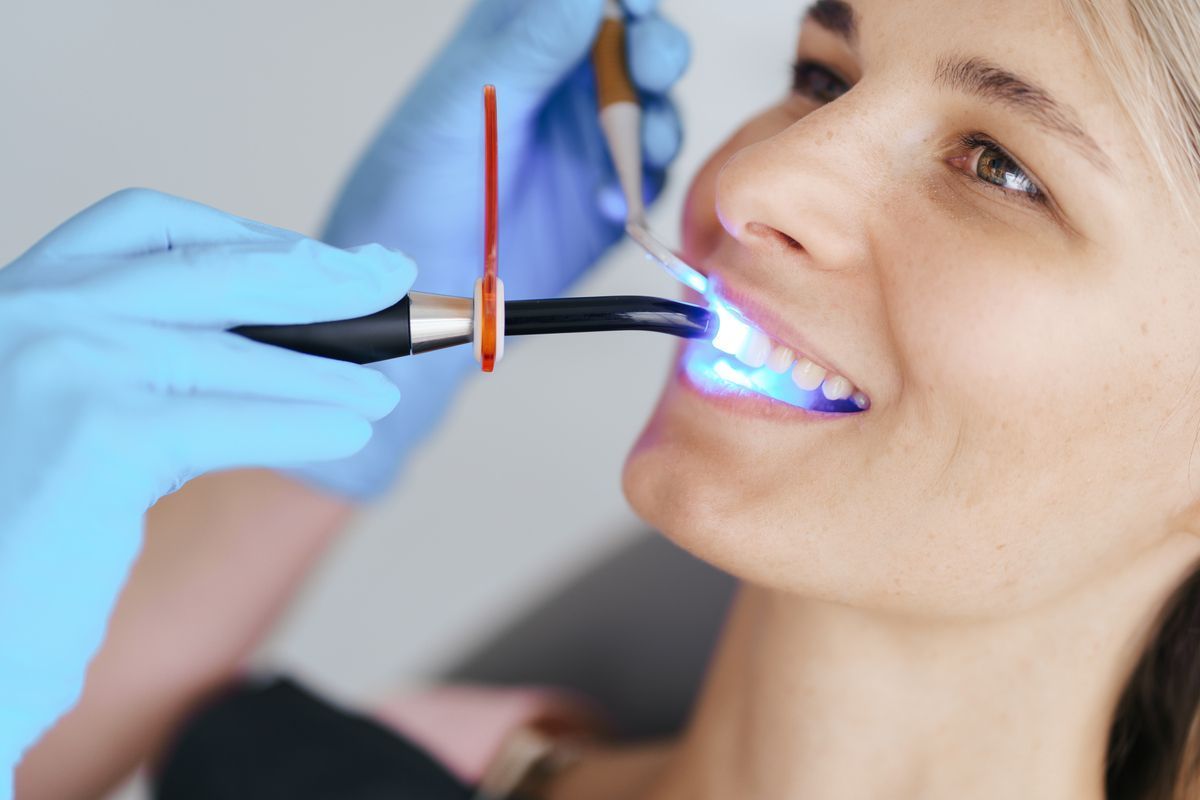
Once the custom bridge is ready, the final visit focuses on placement. The dentist checks the fit, bite alignment, and appearance before permanently securing the bridge. Adjustments are made as needed to ensure comfort and proper function.
Benefits of Dental Bridges
Dental bridges offer several important benefits.
They restore a complete smile and allow patients to chew comfortably again. Bridges improve speech clarity and help prevent surrounding teeth from shifting out of position. They also support balanced bite alignment, which helps reduce strain on the jaw.
With proper care, dental bridges can last many years, making them a dependable long term solution for missing teeth.
Caring for a Dental Bridge
Caring for a dental bridge is similar to caring for natural teeth. Daily brushing and flossing are essential. Special flossing tools may be recommended to clean beneath the pontic where plaque can accumulate.
Routine dental visits allow your dentist to monitor the health of the bridge and the surrounding gums. Maintaining healthy gums is especially important, as inflammation can compromise the stability of a bridge over time.
Is a Dental Bridge Right for You
Dental bridges are an excellent option for many patients, but they are not the only solution. During your consultation, your dentist will review all available options and help you choose the treatment that best supports your comfort, lifestyle, and long term oral health.
At Harborview Dental, restoring a smile means restoring confidence, function, and peace of mind.
1104 US Highway 130, Cinnaminson, New Jersey 08075, United States